Health and Safety Policy for Commercial Waste Herne Hill
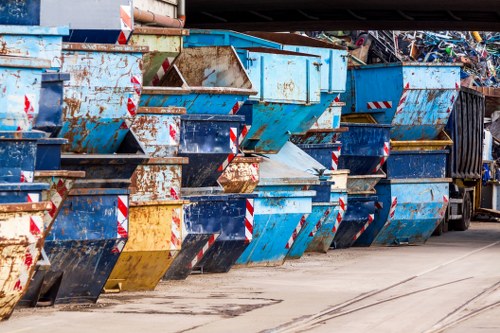 Purpose and scope: This health and safety statement sets out the commitment of the commercial waste services operating in the area to protect employees, contractors, visitors and the public. It applies to all aspects of commercial waste collection, handling, transfer and disposal performed by the rubbish company and affiliated teams. The policy is intended to be a clear, auditable declaration of responsibilities, expected standards and the practical controls that reduce harm. Safety is a core business objective and the organisation will allocate the necessary resources to maintain safe operations.
The scope covers routine operations such as scheduled rubbish collection in Herne Hill, customer-site collection, vehicle loading, depot activity, manual handling, segregation of waste streams and the use of plant and mechanical equipment. It includes off-site transport and any temporary storage arrangements used in the delivery of commercial waste services. All staff and contractors must follow this policy while performing duties for the company, and managers are charged with ensuring compliance through supervision and resourcing.
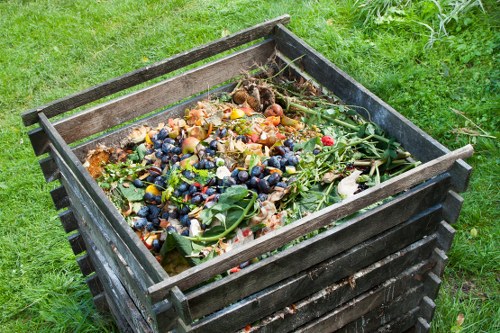 Legal and regulatory compliance: The organisation will maintain awareness of applicable health, safety and environmental obligations and will operate in accordance with statutory requirements relevant to commercial rubbish and waste operations. Where local and national regulations set minimum standards, the company will adopt those standards and implement additional control measures where risk assessments indicate the need. Records of compliance, training and inspections will be retained for review.
Key responsibilities and accountabilities
Management: Senior management is responsible for establishing, resourcing and reviewing health and safety arrangements. Managers will ensure appropriate risk assessments are completed, that safe systems of work are documented and communicated, and that workforce training is provided. Managers must implement monitoring and corrective action to address any identified shortcomings.
 Employees and contractors: All employees, agency staff and subcontractors engaged in commercial waste services must take reasonable care of their own health and safety and that of others affected by their acts or omissions. Staff must follow safe systems of work, wear required personal protective equipment (PPE), report hazards and near misses, and participate in training and competency checks. Refusal to comply with essential safety measures may result in disciplinary action.
Responsibilities include, but are not limited to:
- Following safe loading and unloading practices to prevent manual handling injuries;
- Adhering to segregation rules for hazardous and non-hazardous commercial rubbish to control contamination and chemical exposure;
- Observing vehicle safety protocols, including secure loads, safe reversing procedures and appropriate route planning;
- Reporting defects in plant, vehicles or equipment immediately and removing unsafe items from service where necessary.
Operational risk controls and procedures
Risk assessments will be conducted for typical activities related to commercial rubbish collection and depot operations. Controls will be proportional to the assessed risk and may include engineering solutions, administrative measures, PPE requirements and training. Typical controls include segregation stream labels, lock-out procedures for equipment, mechanical aids for lifting, and clear signage in depots and customer premises.
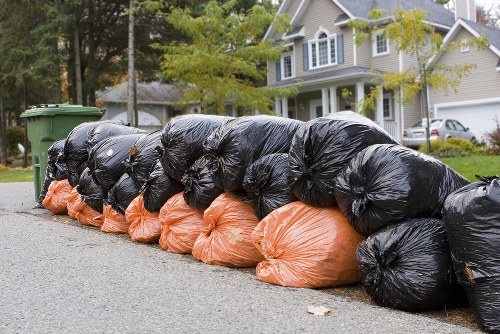 Emergency preparedness: Clear emergency arrangements will be maintained for incidents such as spillage of hazardous waste, vehicle collisions, fires in storage areas and major medical emergencies. Emergency roles and responsibilities are defined, and staff will be informed of muster points, reporting procedures and the location of spill kits and fire-fighting equipment. Regular drills and reviews ensure continued readiness without providing operational instructions beyond the policy level.
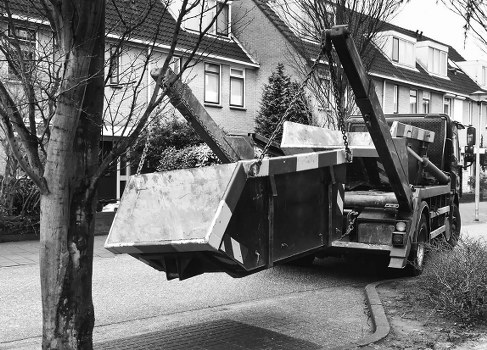 Training, competence and supervision: The organisation will ensure that staff are competent for the roles they perform through induction, job-specific training and refresher courses. Training covers safe handling of waste, use of PPE, vehicle safety, hazardous waste awareness and reporting procedures. Supervisors will verify competence on site and arrange mentoring or further training where required. Records of training and competence assessments will be maintained to demonstrate continual learning and improvement.
Monitoring, audit and review: Regular inspections, audits and incident investigations will be used to measure performance against this policy. Findings will be recorded, and corrective actions implemented in a timely manner. Performance indicators such as incident rates, near misses reported, vehicle defect rates and training completion will be monitored to drive continuous improvement.
Waste segregation and environmental protection: Controls to prevent environmental harm include segregation of recyclable, general and hazardous commercial waste streams; appropriate containment and labelling; and correct storage to prevent pollution. The company will cooperate with authorised disposal partners to ensure waste is managed responsibly and in line with permits and waste transfer documentation requirements.
Policy review and continuous improvement: This health and safety policy will be reviewed at planned intervals and updated following significant changes to operations, the regulatory environment, or when incidents indicate the need for revision. Management invites input from employees to improve safety performance and will publish outcomes of formal reviews to maintain transparency.
Statement of intent: The organisation is committed to preventing work-related injury and ill health in all commercial waste operations. By setting clear responsibilities, maintaining appropriate resources and fostering a safety-first culture, the company seeks to provide reliable, safe commercial waste services while protecting its people, customers and the environment.
